
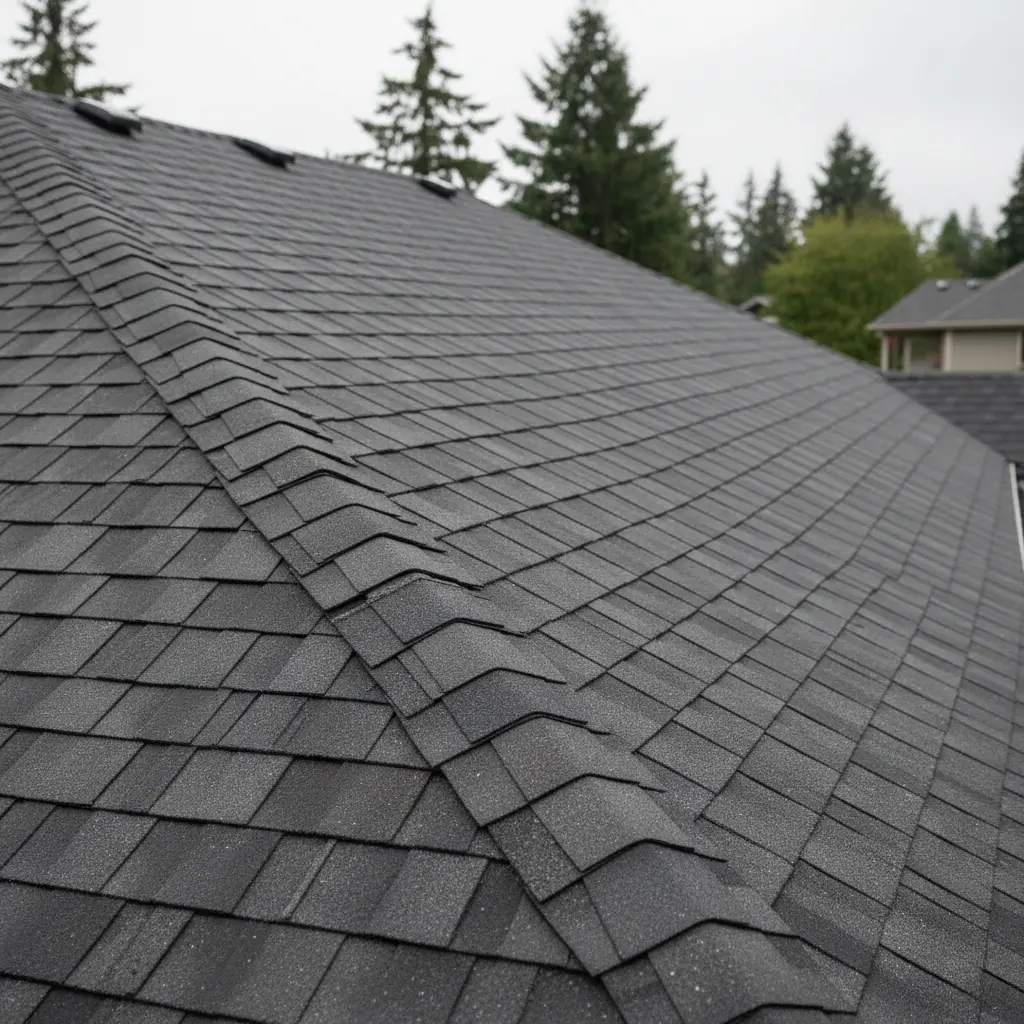
You finally got a new roof. The contractor hands you a warranty, you glance at it, maybe file it away somewhere, and move on with your life. That’s what most homeowners do.
Then a leak shows up three years later, you dig out that paperwork, and you realize the warranty doesn’t quite cover what you assumed it did.
This is one of the most frustrating situations a homeowner can end up in, and it happens more often than you’d think. A roofing warranty sounds like a safety net, but the fine print can make it feel more like a trap.
This guide breaks down what a roofing warranty actually covers, what it doesn’t, what can void it, and what questions you should ask before any roofing work begins.
What Is a Roofing Warranty?
A roofing warranty is a written promise that covers either the roofing materials, the installation work, or both, depending on the type you have.
The key thing to understand is that there is no single, universal roofing warranty. Most roofs come with at least two separate warranties from two separate sources: one from the manufacturer of the materials, and one from the roofing contractor who installed them.
Both serve different purposes, and both have very different terms, time limits, and exclusions.
The 3 Types of Roofing Warranties You Need to Know
1. Manufacturer’s Material Warranty (Standard Limited Warranty)
This is the warranty issued directly by the company that made your shingles or roofing materials. It covers defects in the materials themselves, meaning that if the shingles crack, curl, or fail due to a manufacturing defect, the company is responsible.
Most material warranties run between 20 and 50 years, though the coverage terms typically change over time (more on that below).
What it usually covers:
- Shingles that crack, blister, or experience granule loss due to a factory defect
- Premature material failure not related to weather events
- Replacement of defective materials (not always labor)
Common brands that offer this: GAF, Owens Corning, CertainTeed, TAMKO
2. Manufacturer’s System Warranty (Enhanced/Premium Warranty)
Some manufacturers offer an upgraded warranty when a certified contractor installs their full roofing system, meaning not just the shingles, but also their matching underlayment, ridge cap, starter strips, and ventilation products.
This type of warranty usually provides better coverage, longer terms, and sometimes includes labor. But it comes with strings attached: the installation must be performed by a contractor certified by that specific manufacturer.
3. Workmanship Warranty (Contractor Warranty)
This comes from your roofing contractor and covers problems that result from how the roof was installed, not the materials themselves.
Poor flashing, improper nailing, poor ventilation setup, and missed underlayment steps: these are installation errors and would fall under a workmanship warranty.
At Fast Roofing, we take workmanship warranties seriously. A company that won’t back up its own installation work is a red flag worth paying attention to before you sign anything.
Contractor warranty lengths vary widely in the industry: some offer 1 year, others 5, and some back their work for 10 years or more. Ask for this in writing.
What a Roofing Warranty Typically Covers
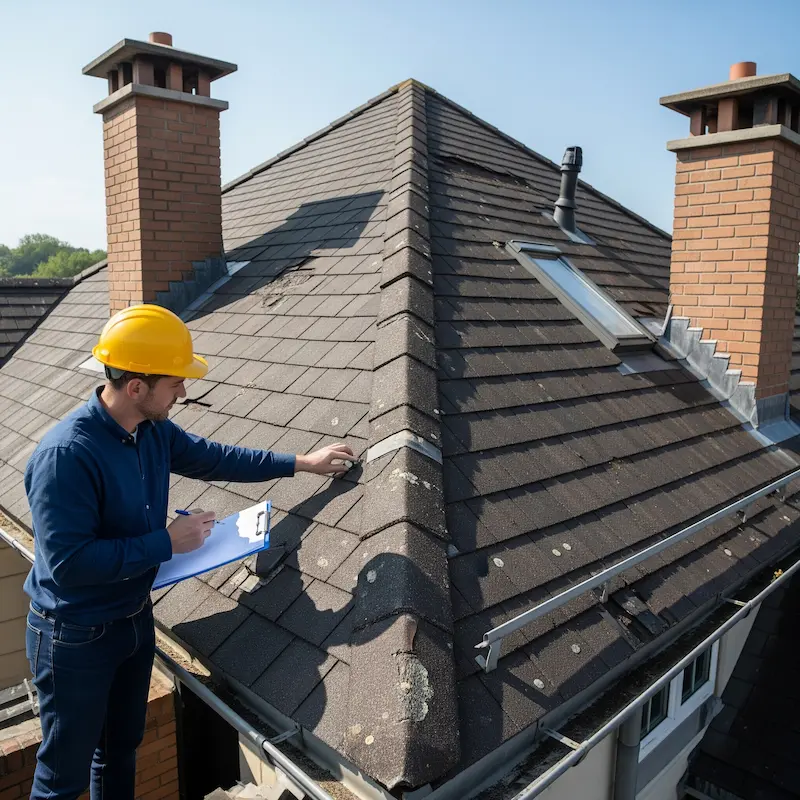
Here is a side-by-side look at what each type of warranty generally covers:
| Coverage Area | Manufacturer Material Warranty | Manufacturer System Warranty | Workmanship Warranty |
| Defective shingles | Yes | Yes | No |
| Shingle granule loss (manufacturing defect) | Yes | Yes | No |
| Blistering or cracking from factory defect | Yes | Yes | No |
| Poor installation/workmanship | No | Sometimes | Yes |
| Flashing issues from install error | No | Sometimes | Yes |
| Leaks caused by improper nailing | No | Sometimes | Yes |
| Labor costs for repair | Rarely | Sometimes | Yes |
| Ventilation problems from install error | No | Sometimes | Yes |
What a Roofing Warranty Does NOT Cover
This is the part most homeowners skip, and also the part that matters most when something goes wrong.
| Common Exclusion | Why It Matters |
| Storm or hail damage | Weather damage is a homeowner’s insurance claim, not a warranty claim |
| Normal wear and tear | Aging is expected and is not considered a defect |
| Damage from foot traffic or heavy objects | Walking on your roof improperly can void coverage |
| Algae, moss, or mold growth | Often excluded unless you have a specific algae-resistant warranty upgrade |
| Improper ventilation after installation | If you modify your attic or insulation, this can affect coverage |
| Installation by a non-certified contractor | Using a non-approved installer voids many manufacturer warranties |
| Previous roof layers (if re-roofed over) | Some warranties are void if installed over existing shingles |
| Damage from satellite dishes, HVAC equipment, or additions | Penetrations made after installation often fall outside coverage |
If any of these situations apply to your roof, you would typically need to file a claim with your homeowners’ insurance rather than pursue a warranty claim. Understanding when to repair vs. replace your roof can help you make that call faster.
What Can Void Your Roofing Warranty
This is where things get tricky. A roofing warranty can be canceled without you even realizing it. Here are the most common ways it happens:
1. Someone other than an approved contractor does work on your roof – If a handyman, a different roofing company, or even you personally make repairs or modifications to the roof, most manufacturer warranties are immediately voided. Even something as simple as nailing down a loose shingle the wrong way can be considered roof work.
2. Poor or inadequate ventilation – Ventilation is a big one. If your attic doesn’t meet the manufacturer’s ventilation requirements, your warranty may be void from day one, even if your contractor did everything else right. The National Roofing Contractors Association (NRCA) recommends verifying ventilation standards before any new roof is installed.
3. Pressure washing or power washing the roof – High-pressure washing can strip the granules from asphalt shingles. Granule loss is a known sign of shingle deterioration, and if a manufacturer can attribute it to power washing, they can deny your claim.
4. Walking on the roof without care – Asphalt shingles are not designed to handle regular foot traffic. Repeated or heavy walking can cause cracking or granule loss that the manufacturer will flag as physical damage rather than a defect.
5. Not maintaining your gutters – Clogged gutters cause water to back up under the shingles, leading to rot and leaks. Manufacturers can argue that poor maintenance, not a material defect, caused the problem.
6. Adding skylights, solar panels, or other penetrations after the fact – Any penetration added to your roof after installation creates a potential entry point for water. If it wasn’t installed as part of the original certified system, the area around it may no longer be covered.
How Long Do Roofing Warranties Last?
Warranty length and what it actually covers over time are two very different things. A “50-year warranty” does not mean 50 years of full replacement coverage.
| Warranty Type | Typical Length | What Actually Changes Over Time |
| Basic manufacturer material | 20 to 30 years | Coverage becomes prorated after the first 5 to 10 years |
| Lifetime manufacturer material | Lifetime of the original structure | Usually prorated after 10 years; “lifetime” refers to the structure, not a person |
| Manufacturer system (enhanced) | 25 to 50 years | Better terms, less proration, sometimes includes labor |
| Workmanship (contractor) | 1 to 10+ years | Varies widely by contractor; ask specifically |
Prorated vs. Non-Prorated: Why This Matters
Many homeowners don’t find out the difference until they file a claim.
A prorated warranty means the value of coverage decreases over time. If you file a claim at year 15 under a 30-year prorated warranty, you might receive only 50 percent of the replacement cost. You pay the rest out of pocket.
A non-prorated warranty (sometimes called a “true lifetime” warranty) means coverage stays consistent throughout the warranty period. You get full replacement value regardless of when you file.
When you’re comparing roofing quotes, ask specifically whether the manufacturer’s warranty is prorated and when the proration begins. This single detail can make a significant difference in what you actually get if a problem arises years down the road.
The Federal Trade Commission (FTC) has guidance on understanding written warranties that is worth reading before you sign off on any major home improvement warranty.
Is Your Roofing Warranty Transferable?
If you sell your home, the roofing warranty may or may not transfer to the new owner. This depends entirely on the specific warranty terms.
Some manufacturer warranties transfer automatically and are considered a selling point for your home. Others require you to formally register the transfer, sometimes within a specific time window after the sale, and often for a fee.
Workmanship warranties from contractors are typically not transferable.
If you’re buying a home with a newer roof, ask the sellers for the original warranty documents and find out whether a transfer has been or can be completed. HUD and many state housing agencies encourage buyers to review all home improvement documentation before closing.
How to File a Roofing Warranty Claim
If you believe you have a legitimate warranty issue, here are the steps to take:
- Document the problem thoroughly. Take photos and videos from multiple angles. Date-stamp everything you can.
- Pull out your original warranty documents. Locate the warranty registration number if one was issued.
- Contact the right party. If the problem appears to be a material defect (shingles failing), contact the manufacturer. If it looks like an installation issue (improper flashing, leaking at a seam), contact your roofing contractor.
- Request a written inspection. Most manufacturers and reputable contractors will send someone to assess the problem in person.
- Keep copies of everything. Every call, email, and letter should be saved.
- Know your timeline. Warranty claims often have time limits. Don’t wait months after noticing a problem before reporting it.
If you’re unsure whether your issue is a warranty or insurance matter, our team at Fast Roofing NW can walk you through the situation and help you determine the right next step.
Simple Tips to Keep Your Warranty Valid
Protecting your roofing warranty doesn’t require much, but it does require consistency:
- Schedule a professional roof inspection every 1 to 2 years. Penn State Extension recommends routine home inspections as part of long-term maintenance planning.
- Keep your gutters clean and free of debris, especially after fall and winter.
- Trim tree branches that hang close to or over the roof.
- Never allow unauthorized contractors to perform any work on your roof.
- Keep all documentation: your original estimate, the contract, warranty registration, and inspection records.
- If you plan to install solar panels or a satellite dish, ask your roofing company how to do it without voiding coverage.
You can also check out our roof maintenance tips page for a more detailed seasonal checklist.
Questions Worth Asking Before You Sign Anything
Before any roofing project moves forward, ask your contractor these questions directly:
- Is this manufacturer’s warranty prorated or non-prorated?
- What is your workmanship warranty, and is it in writing?
- Are you a certified installer for this manufacturer’s system warranty?
- What do I need to do to keep this warranty valid after the job is done?
- Is the warranty transferable if I sell the house?
- What is not covered, specifically?
A contractor who gets uncomfortable with these questions is giving you important information about how they operate.
Final Thoughts
A roofing warranty is only as good as your understanding of it. Reading the fine print before something goes wrong is how you protect yourself. The most valuable thing you can do after a new roof installation is sit down with the warranty documents, note the coverage period, find out whether it’s prorated, and understand exactly what actions on your part could void it.
What Your Roofing Warranty Actually Covers (and Doesn’t)
Don’t get caught with unexpected repair bills. Learn how to protect your investment with the industry-leading coverage offered by Fast Roofing NW. Your peace of mind starts with a quality install.
Get a Free Estimate