
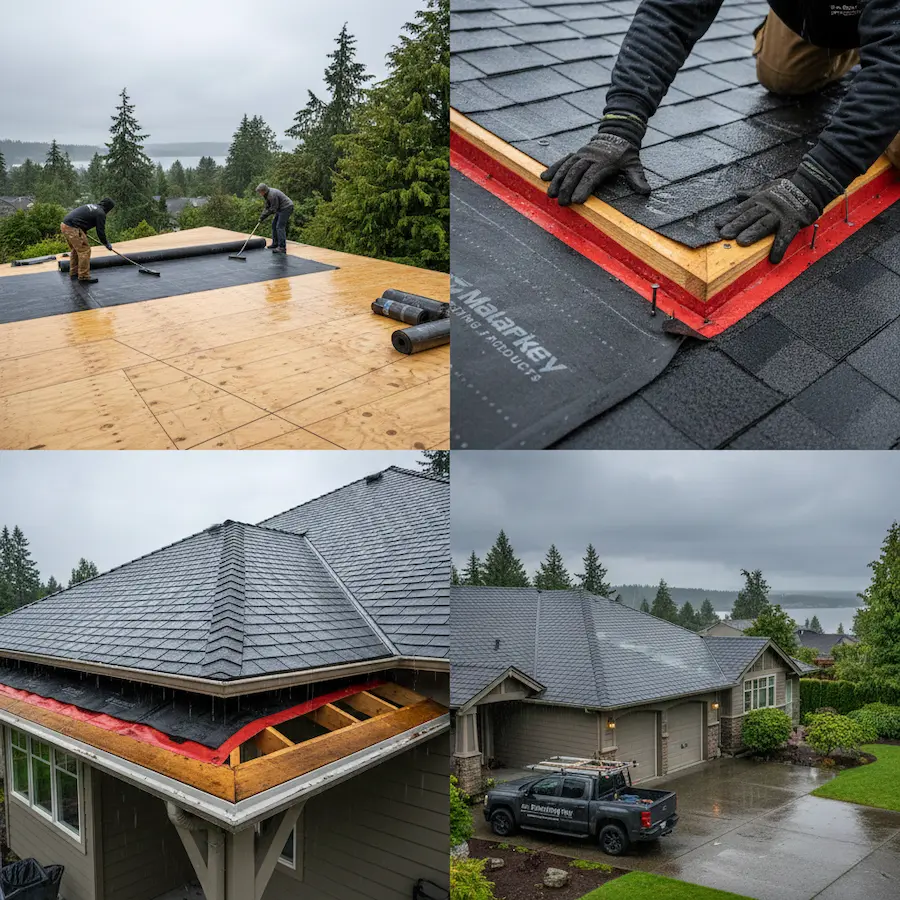
In the Pacific Northwest, a roof is more than just a collection of shingles; it is a complex defense system designed to combat relentless moisture. While most homeowners focus on the aesthetic of their shingles or metal panels, the real hero of a durable roof remains hidden beneath the surface. The roofing underlayment acts as the final barrier between the elements and your home’s structural integrity. At Fast Roofing, we have spent over 30 years observing how different materials hold up in Washington’s unique climate, and we have found that choosing the right underlayment is the single most important decision you can make for your home’s longevity.
The Role of Underlayment in a Saturated Environment
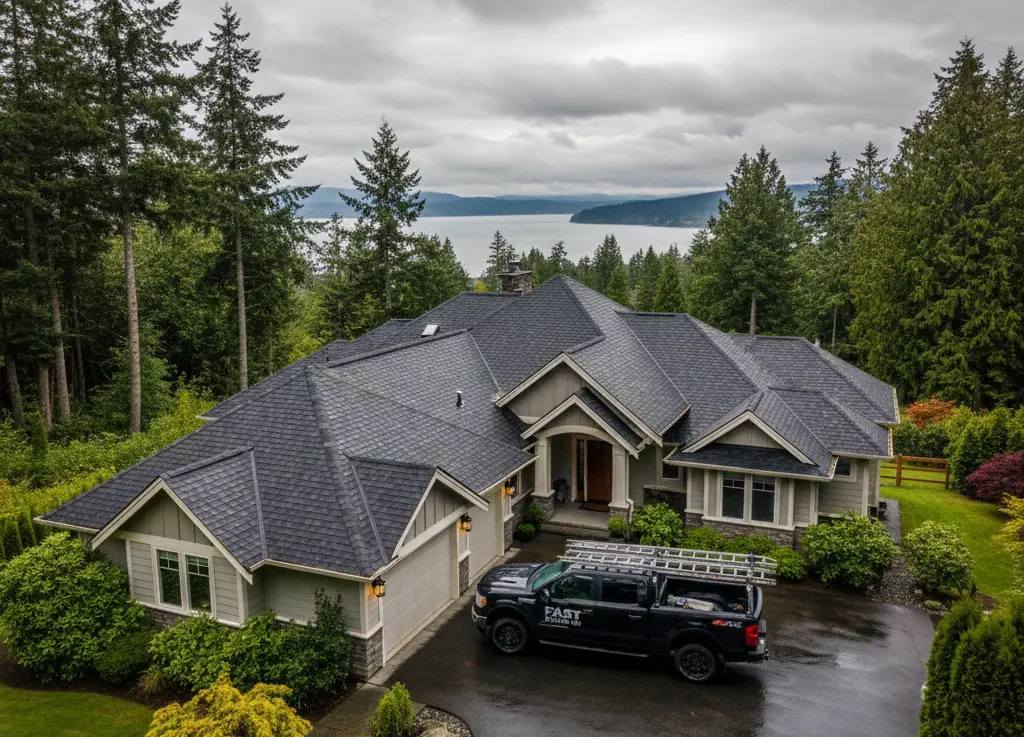
Roofing underlayment is a water-resistant or waterproof barrier installed directly on your roof deck. It is applied under all other roofing materials as an added layer of protection from severe weather. In a region where the “rainy season” spans most of the year, the underlayment serves as a secondary line of defense. If a shingle is blown off during a windstorm or if water backs up due to an ice dam, the underlayment is what prevents that moisture from seeping into the plywood deck and causing rot or mold.
A high-quality sub-structure is vital because roofing materials like asphalt shingles are designed to shed water, not to be completely waterproof. Under hydrostatic pressure, such as during heavy downpours or melting snow, water can seep through small gaps. Without a robust, water-resistant sub-structure, your home is vulnerable to “silent” leaks that can go unnoticed for months, eventually compromising the rafters and ceiling drywall.
Comparing Traditional Felt vs. Modern Synthetic Underlayment
For decades, the industry standard was asphalt-saturated felt, commonly known as “tar paper.” While felt is still used today, it has significant limitations in the Pacific Northwest. Felt is prone to tearing during installation and can become brittle over time. Furthermore, because it is paper-based, it can actually absorb moisture if exposed to high humidity before the shingles are laid down, leading to “wrinkling” that can telegraph through the shingles and ruin the look of your new roof.
In contrast, synthetic underlayment has revolutionized the industry. Made from woven or spun-bonded polyethylene or polypropylene, synthetic options offer superior strength and durability. These materials are nearly impossible to tear, even in high winds, and they do not absorb water. This is why we prioritize synthetic solutions at Fast Roofing; they provide a more uniform surface and significantly higher protection against the damp PNW air. For those seeking the best roofing underlayment, synthetic is almost always the professional recommendation.
The Importance of a Water-Resistant Sub-Structure
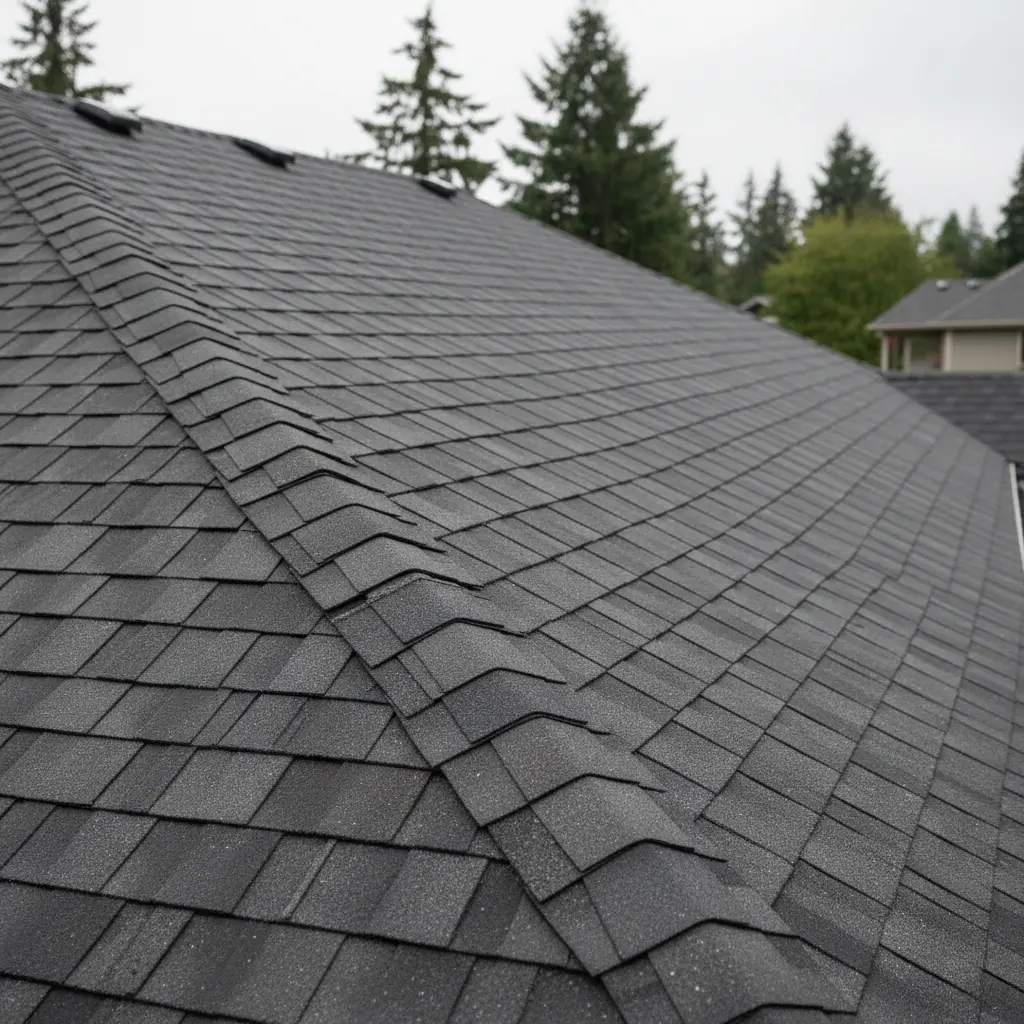
When we discuss a water-resistant substructure, we are referring to the entire assembly of the roof deck. It isn’t just about the fabric layer; it is about how that layer interacts with the decking and the flashing. In coastal and high-precipitation areas, the sub-structure must be able to “breathe” to some extent while remaining impervious to liquid water. If moisture from inside the home (from cooking, showering, or heating) gets trapped in the attic, it must escape through proper ventilation.
However, the external face of that sub-structure must be sealed tight. This is where Self-Adhering Ice and Water Shields come into play. These are specialized underlayments used in vulnerable areas, such as valleys, eaves, and around chimneys. They create a watertight seal around the nails driven through them, ensuring that even if water penetrates the outer layer, the sub-structure remains bone-dry. According to FEMA’s guidelines on flood and moisture resistance, choosing materials that resist mold and decay is essential for buildings in wet climates.
Critical Areas Where Underlayment Fails
Most roofing failures do not occur on a flat plane; they occur at transitions. This includes the “eaves” (the edges of the roof) and the “valleys” (where two roof slopes meet). In Washington, these areas are prone to debris buildup from fir and pine needles, which can trap moisture and cause water to “wick” upward under the shingles.
A high-performance underlayment prevents this wicking action. By choosing a material with high tack and superior grip, we ensure that the barrier stays flush against the deck. This is why professional roof inspection and assessment are so vital; an expert can identify whether your current substructure was installed with the wrong materials for the pitch of your roof.
Long-Term Benefits of Investing in Quality
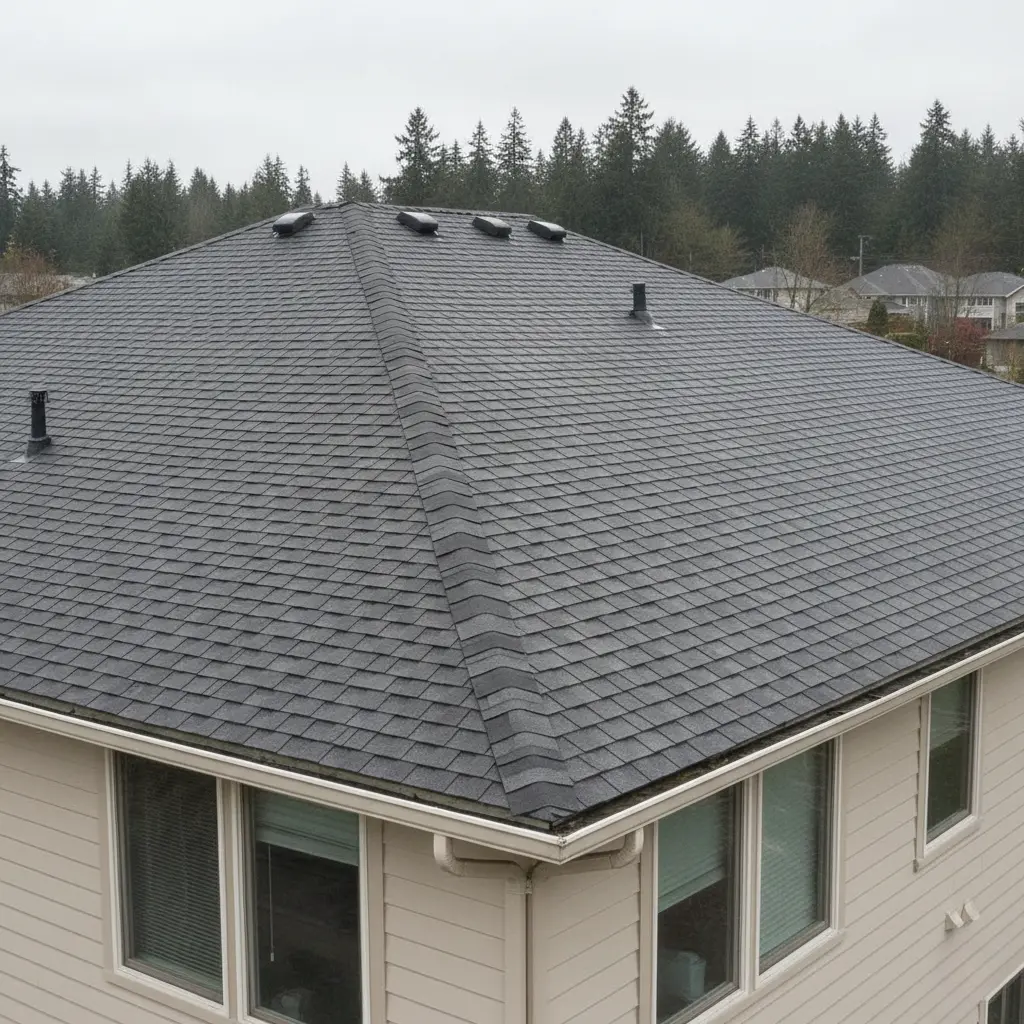
While a premium synthetic underlayment might have a higher upfront cost than traditional felt, the long-term savings are substantial. A roof is an investment that should last 20 to 50 years, depending on the material. If you use a cheap underlayment, you are essentially putting a 10-year foundation under a 30-year shingle. When the underlayment fails, the entire roof must be stripped to fix the problem, regardless of how good the shingles look.
Furthermore, many manufacturers of premium shingles, such as Malarkey Roofing Products, require specific high-quality underlayments to honor their full warranty. By using the best roofing underlayment available, you are not only protecting your physical home but also protecting your financial investment and warranty status. Research from Building Science Corporation suggests that the durability of the building envelope is directly tied to the quality of the water-resistive barriers used during construction.
Why Fast Roofing Prioritizes Sub-Structure Integrity
At Fast Roofing, we don’t just “shingle over” problems. Our process begins with a thorough examination of the roof deck to ensure there is no existing rot. We believe that a roof is only as strong as its weakest layer. Because we live and work in the Woodinville and Greater Seattle area, we understand that “water-resistant” isn’t just a marketing term; it is a necessity for survival.
We utilize advanced installation techniques to ensure that every overlap is correct and every transition is sealed. Whether we are performing a residential roof replacement or a minor repair, we treat the underlayment with the same level of precision as the final layer of metal or asphalt. Our goal is to provide peace of mind, knowing that even during a record-breaking Washington rainstorm, your sub-structure is engineered to keep your family dry.
Protect your home from the ground up by ensuring your roof has the highest quality protection available. Contact Fast Roofing today at 206-351-2701 or request a free estimate online to have our experts evaluate your roof’s sub-structure and provide a solution tailored to the Pacific Northwest climate.